EN
 SP
 FR

- Home
- About Us
- Products
- Service
- Project
- News
- Contact Us
Pulished on Sep. 26, 2023
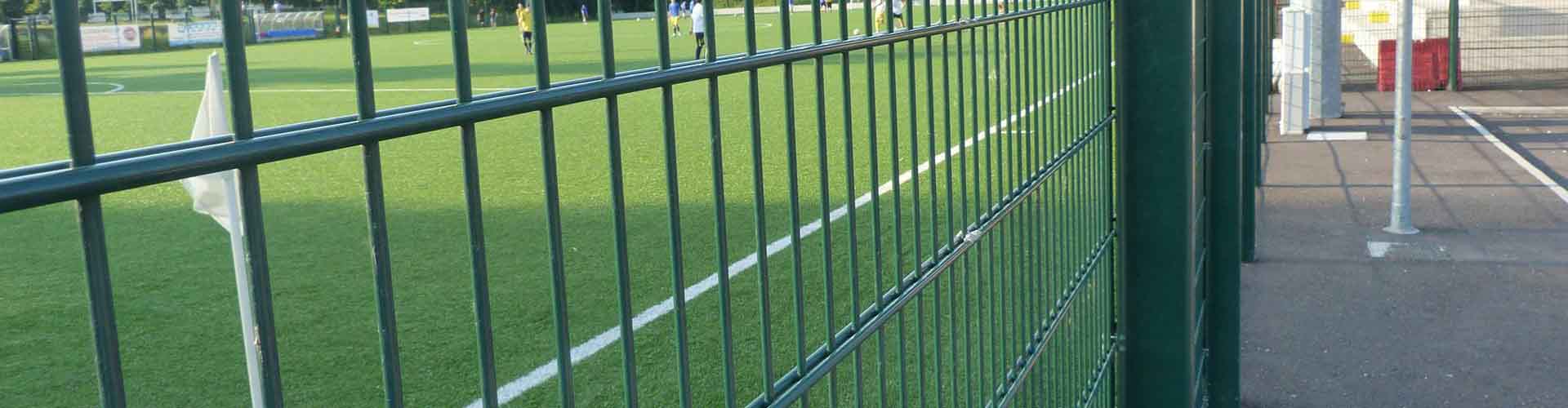
The 3D fence system is an innovative design solution for protecting and displaying historical landmarks and heritage surroundings. Such systems, typically composed of multiple independent structures, provide visual occlusion and physical confinement of the surrounding area while allowing visitors and observers to enjoy these historic landmarks from all angles.

When designing a 3D fence system, the following factors need to be considered. First, it is necessary to ensure that the design of the fencing system is in harmony with the ambience of the historical landmark and heritage. Colors, shapes and materials should blend in with the surrounding environment so as not to disrupt the overall beauty of the landscape. Secondly, the structure of the fence system should have sufficient strength and durability to withstand the natural environment and man-made damage. Finally, the design should allow for ease of installation and maintenance, allowing for replacement or repair when needed.

In addition to the above factors, the design of a 3D fence system also needs to consider its functionality and practicality. For example, fencing systems can be equipped with sensors and alarms to detect illegal activity on historic landmarks. At the same time, by using modern technology and materials such as carbon fiber and polymer, it is possible to design a lightweight yet strong fence structure that meets both safety needs and modern aesthetics.
Finally, it is important to note that the design of 3D fence systems should respect and protect the value and significance of historical landmarks and heritage. The purpose of the fencing system is to protect these irreplaceable assets, not to isolate or limit public appreciation and understanding of them. Therefore, the design process should fully consider how to allow visitors to better understand and approach these historical landmarks, while ensuring that the fencing system does not cause any damage to them.
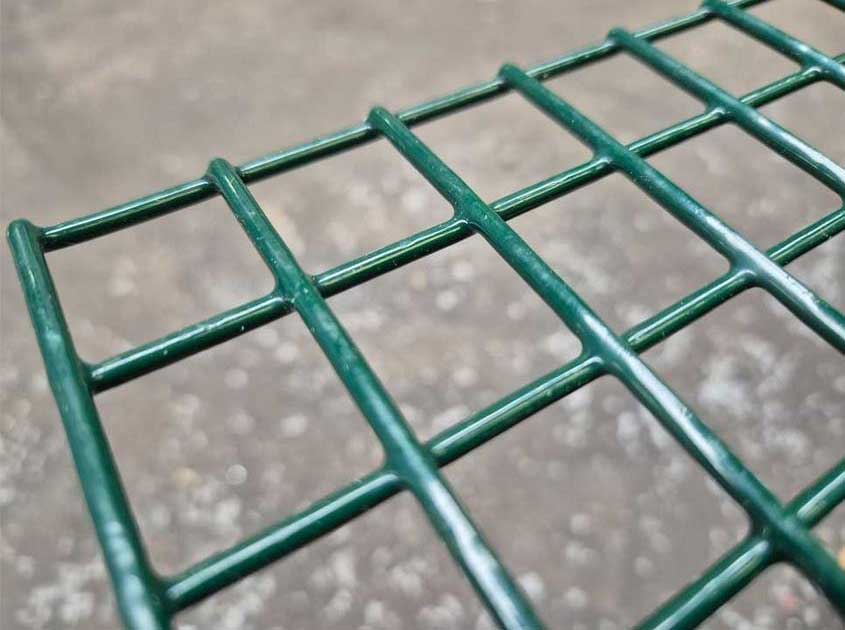
How to Select the Right Wire Diameter for Welded Wire Fence? A Practical Buyer’s Guide
Pulished on Nov. 18, 2026
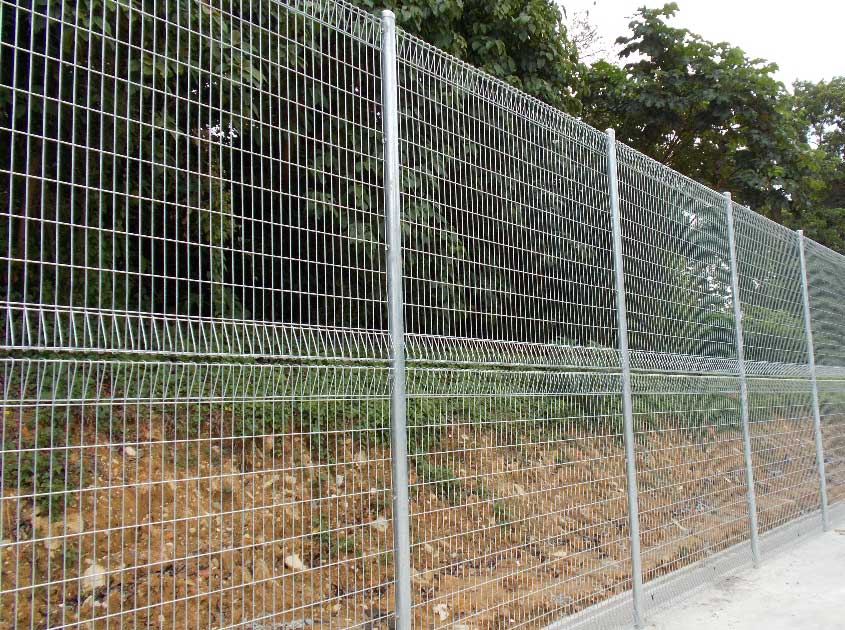
What Mesh Size Is Best for Welded Wire Fence? A Practical Selection Guide
Pulished on Nov. 09, 2026
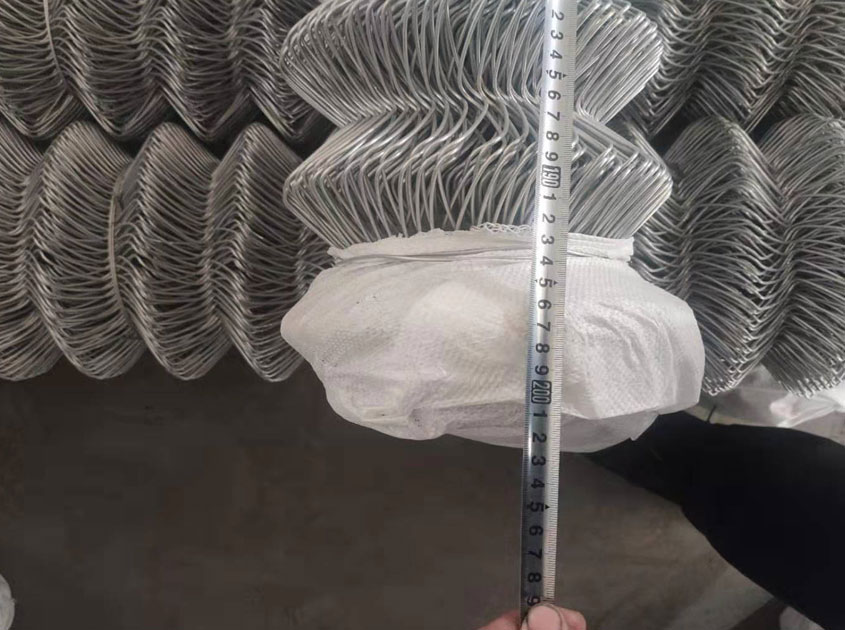
How Much Does Chain Link Fence Cost? A Complete Guide to Material Prices, Shipping and Project Costs
Pulished on Oct. 27, 2026
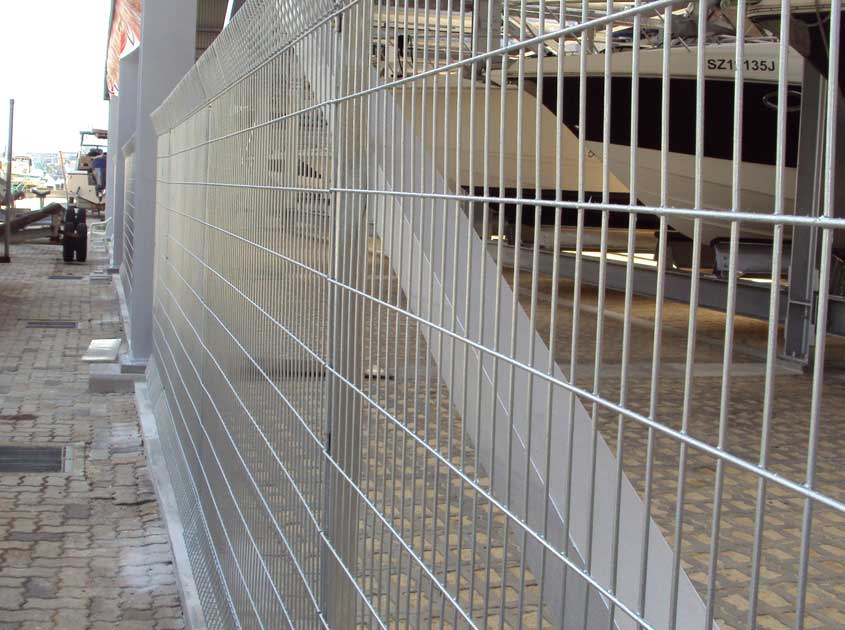
How to Install a Welded Wire Fence: A Step-by-Step Guide for Contractors
Pulished on Oct. 23, 2026
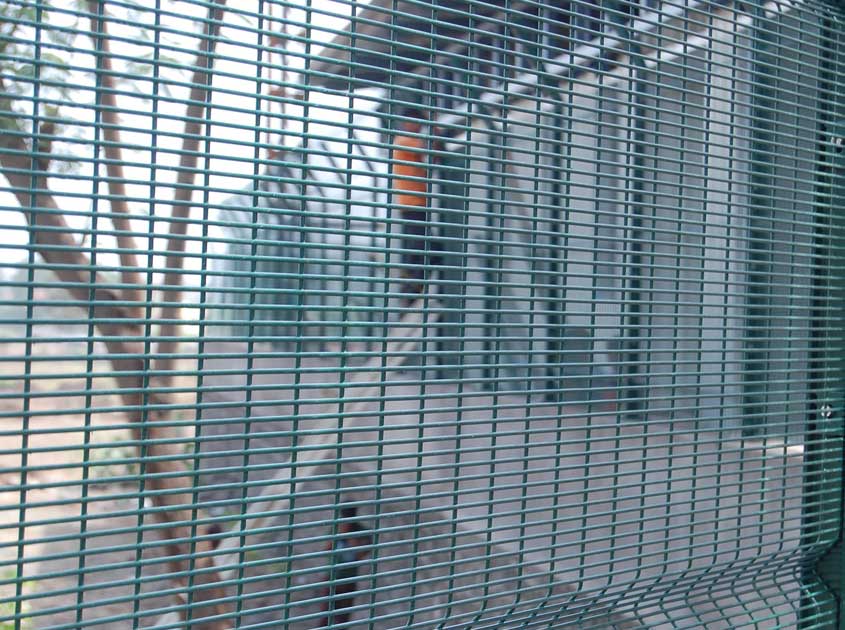
358 Fence vs Welded Wire Fence: Which Is Better for Your Project?
Pulished on Oct. 20, 2026
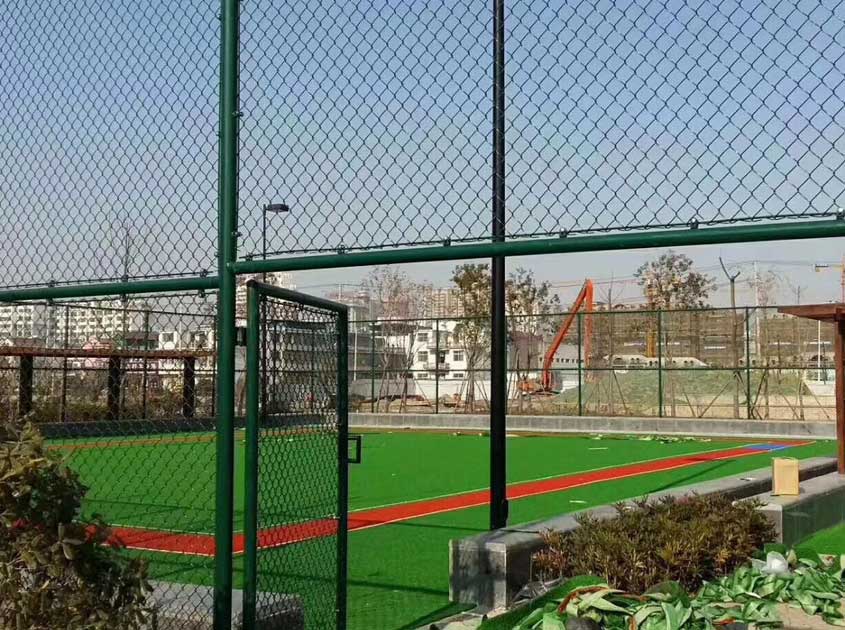
What Are the Advantages of Chain Link Fence? 8 Benefits for Commercial and Industrial Projects
Pulished on Oct. 16, 2026
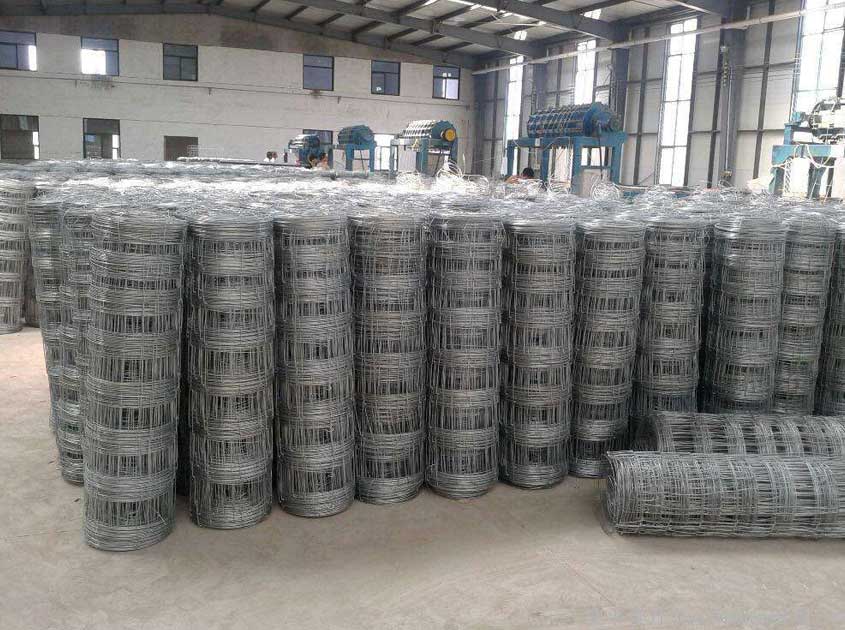
How to Choose Farm Fence for Cattle and Horses: Wire, Height and Design Guide
Pulished on Sep. 23, 2026
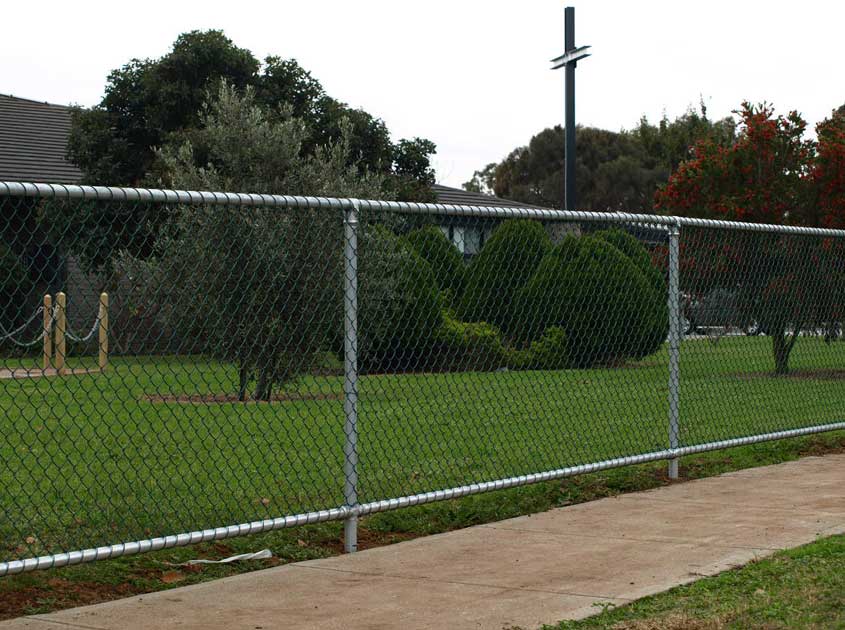
How Is Chain Link Fence Made? Manufacturing Process and Components
Pulished on Sep. 18, 2026
How to Select the Right Wire Diameter for Welded Wire Fence? A Practical Buyer’s Guide
Pulished on Nov. 18, 2026
What Mesh Size Is Best for Welded Wire Fence? A Practical Selection Guide
Pulished on Nov. 09, 2026
How Much Does Chain Link Fence Cost? A Complete Guide to Material Prices, Shipping and Project Costs
Pulished on Oct. 27, 2026
How to Install a Welded Wire Fence: A Step-by-Step Guide for Contractors
Pulished on Oct. 23, 2026
358 Fence vs Welded Wire Fence: Which Is Better for Your Project?
Pulished on Oct. 20, 2026
What Are the Advantages of Chain Link Fence? 8 Benefits for Commercial and Industrial Projects
Pulished on Oct. 16, 2026
How to Choose Farm Fence for Cattle and Horses: Wire, Height and Design Guide
Pulished on Sep. 23, 2026
How Is Chain Link Fence Made? Manufacturing Process and Components
Pulished on Sep. 18, 2026